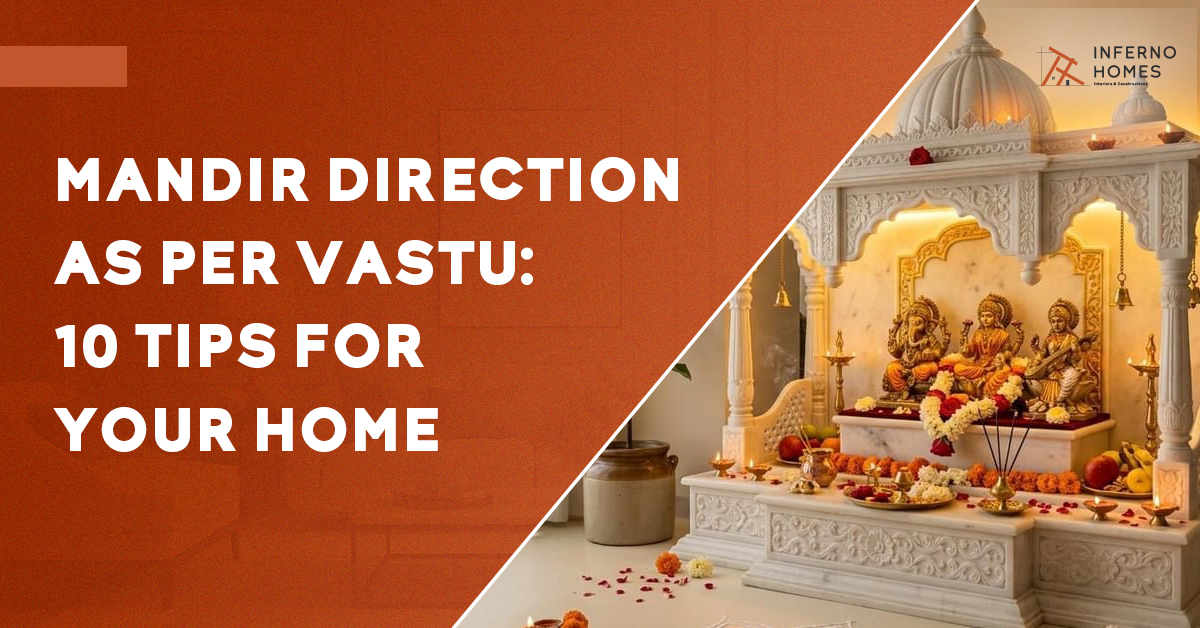
In Indian families, the home mandir or pooja room holds great importance for their spiritual and cultural identities. This is where families start their day with prayer, find inner peace and establish a connection with positive energies.
A properly designed pooja room as per Vastu not only encourages religious practices but also reflects the planning expertise seen in Best interior design services, especially when considering the mandir direction as per Vastu, creating a calm and peaceful environment that supports mental and spiritual well-being. Getting the mandir direction in home planning right from the start saves families from costly rearrangements later.
Key Takeaways
- Best Location: The North-East corner (Ishanya zone) is the most auspicious spot for a home mandir.
- Prayer Direction: Devotees should face East or North while praying.
- Idol Alignment: Idols should ideally face West so the devotee naturally faces East.
- Diya & Lamp Placement: Position diyas and the Agni Kund in the South-East corner (Agni Kona).
- Areas to Avoid: Never place a mandir under stairs, in basements, or against a shared bathroom wall.
Vastu Shastra has a big influence on how homeowners design their pooja room since it considers the earth’s natural energy forces and how to align a home with those energies through correct orientation, placement and overall design of the mandir.
Homeowners are concerned that even minor misalignments in Vastu within the home could cause disruptions in energy flow throughout the house, and thus, many have common questions regarding where the god should be facing in their house, the ideal mandir direction at home, and the proper pooja room direction as per Vastu.
Importance of Pooja Room Vastu
The design and setup of a pooja (or prayer) room in your home has an important impact on how much positive energy flows into your home. A pooja room designed according to the principles of Vastu Shastra is thought to provide a feeling of peace, focus and connection with the divine through the act of praying.
According to vastu for pooja room, facing is one of the most important aspects in creating an atmosphere of peace, harmony and concentration during prayer. Having positive energies and vibrations around you during prayer helps promote growth and stability in your life.
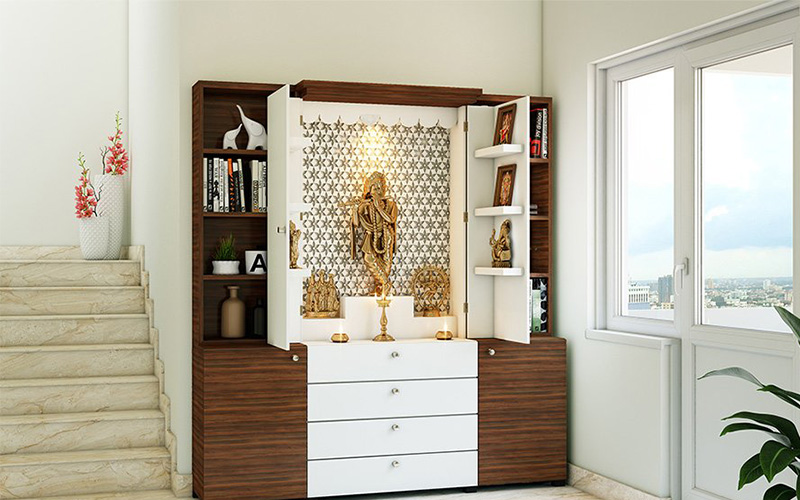
In contrast, creating a dedicated pooja room and mandir (temple) in an area of the home, such as a kitchen or Living Room interior designs are both different concepts from simply following the temple direction as per vastu. Identifying the correct temple direction in home plans and following Vastu rules maximizes positive vibrations during prayer.
From simply following the temple direction as per Vastu. Identifying the correct temple direction in the home and building according to Vastu Principles will maximise the amount of positive energy and vibration produced during the performance of the pooja.
However, if you cannot create a dedicated pooja room due to space constraints (e.g., an apartment), then seeking Vastu for a mandir in an apartment or creating a mandir placement in the living room may be just as effective if the guidelines for a puja room vastu for home are followed. Following the correct vastu for mandir in home setups in these situations helps families avoid common placement errors even when space is tight.
Why Mandir Direction Is Important According to Vastu
Understanding the ideal pooja room vastu direction is vital because your temple acts as the epicentre of cosmic energy in your living space. According to Vastu Shastra, the correct mandir direction in the home channels pure, unobstructed vibes from the universe directly into your household.
When you align your pooja room direction with auspicious zones, it enhances focus during meditation, brings mental clarity, and supports stability. Conversely, an incorrect temple direction in home layouts can disrupt positive vibrations and create unnecessary stress for family members. Choosing the best direction for mandir setups transforms the overall energy of your living space.
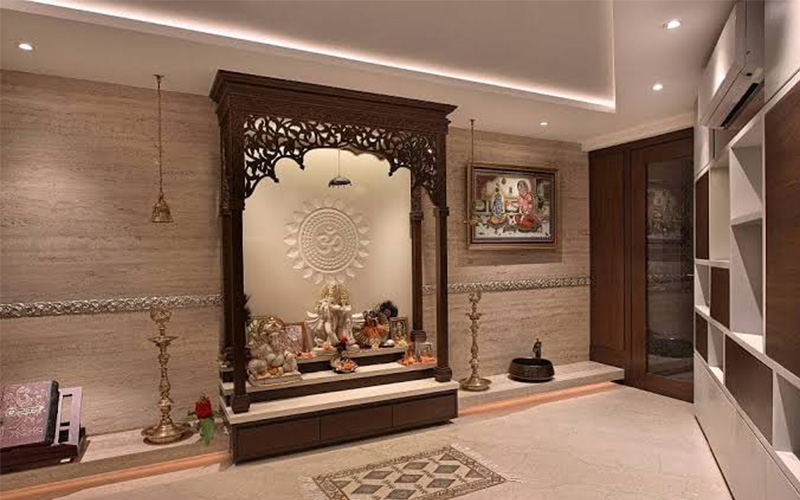
A question regarding Vastu that many people ask is which direction should god face in the pooja room while designing a mandir in other words, what is the correct mandir face direction in the home?
In a traditional Indian home, deific images, statues and likenesses (idols/photos) should be placed in the pooja room facing either West or East if possible. When the devotee faces either East or North when praying, which is the recommended pooja room direction as per Vastu? It is believed that the Deity has a stronger connection with them through increased focus, energy and spiritual awareness while praying. Broken or damaged Idols should not be used within a Mandir, to maintain the sanctity of the Mandir.
The devotee should face either East or North while praying, because these directions signify the way toward Knowledge, Clarity and Divine Energy. Do not pray facing South as it is considered by most people to be an Inauspicious direction. Selecting the correct direction for mandir at home also influences how the entrance and idols should ultimately be positioned.
10 Practical Tips for your Home Mandir Direction As Per Vastu
Finding the best direction for mandir setups doesn’t have to be complicated. Homeowners often ask what the best direction for mandir at home truly is before finalising their layout. Use these ten practical home mandir direction tips to establish perfect harmony:
1. The Divine North-East Corner
The ultimate pooja room direction as per Vastu is the North-East corner (Ishanya). This zone is filled with supreme water and solar energies, making it highly auspicious.
2. Facing East While Praying
Ensure your mandir face direction in home allows you to face East during worship. This sun-aligned direction improves memory, boosts spiritual growth, and invites brilliant new beginnings.
3. Facing North for Prosperity
If East is unavailable, a North-facing prayer stance is an excellent mandir direction at home. This direction is ruled by Lord Kubera, the divine deity of immense wealth.
4. Which Direction Should God Face in Pooja Room?
To maintain the correct flow of energy, idols should ideally face West or South. This setup naturally forces the devotee to look toward the auspicious East or North.
5. Ground Floor Placement
When planning your temple direction as per vastu, always choose the ground floor. Avoid building a pooja room in dark basements or on high, isolated terrace floors.
6. Avoid Bedroom Corners
Keep the mandir direction out of bedrooms to maintain sanctity. If space forces this setup, customized Wardrobe designs can be utilized to build a concealed temple unit that can be closed while you are sleeping.
7. Living Room Accommodation
Setting up a compact mandir at home within the living room is perfectly fine. Just ensure it sits in the North-East zone and remains clear of daily clutter.
8. Ideal Idol Height Matters
Keep your idols slightly elevated off the floor. The feet of the deities should ideally align perfectly with the chest level of the devotee during daily prayers.
9. Keep Deities Spaced Apart
When arranging your mandir ki disha, never place idols facing each other. Leave at least an inch of space between the wall and the photos for smooth energy airflow.
10. Low Storage Solutions
Always design your storage cabinets below the main platform of the temple. Never store heavy items, old clothes, or broken items directly above the sacred idol area.
Where to Place Diyas, Lamps, and Agni Kund in Home Mandir?
Proper lamp and fire placement is an essential aspect of pooja room vastu direction. The recommended Agni Kund direction is the South-East corner of the pooja room. Placing the Agni Kund in south-east direction aligns the element of fire with its natural energy zone, also known as the agni kona for mandir diya.
When lighting daily lamps, lighting an east-facing diya for health and positive beginnings is traditional, while lighting a north-facing diya for wealth and prosperity is recommended. Keep all flames and oil lamps safely positioned on sturdy brass thalis, away from curtains, wooden shutters, and stored paper items.
Mandir Door Design as Per Vastu
The design of a mandir’s entrance has an important impact on how much of the sanctity and positive energy of the pooja area is maintained. According to Vastu Shastra, a properly designed mandir entrance is like a symbolic doorpost – it guards the spiritual energy that resides in the mandir and gives reverence to the person entering the mandir from within.
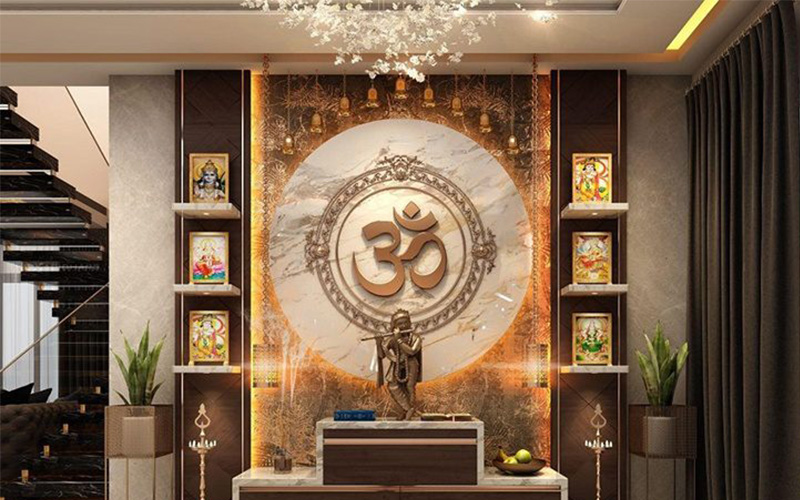
Although many materials can be used for designing the entrance of the mandir, it is customary to choose from the various pooja mandir designs using wood because of its relationship with warmth and stability. The use of a double-door mandir design is recommended by Vastu to showcase symmetry and openness, while single-door mandir designs are fine in smaller homes; the quality and design of the door make this acceptable to Vastu.
As for shutters, Vastu recommends using a double door mandir design, as this symbolises balance and openness. However, in smaller homes, a well-designed single-door mandir will also be acceptable. Furthermore, the use of traditional symbols such as a swastik, lotus or deity images & carvings is necessary to create a spiritually appealing mandir that follows Vastu principles.
Common Mandir Vastu Mistakes to Avoid
Even with the right mandir direction, small design mistakes can disrupt the domestic harmony:
- No Shared Bathroom Walls: Your temple must never share a single wall with any toilet.
- Avoid Dark Colour Schemes: Do not paint the prayer space in black, grey, or dark brown.
- Remove Broken Idols Quickly: Never keep cracked photos or chipped statues inside your home mandir.
- Hide the Trash Bins: Keep garbage cans far away from your sacred prayer room environment.
- Don’t Hide Matchboxes Inside: Avoid storing matchboxes and lighters out in the open altar space.
- Avoid Ancestor Photo Mixing: Never place photos of late relatives alongside your divine household deities.
- No Animal Skin Mats: Avoid using leather or animal skin mats for sitting during prayers.
nderstanding the mandir vastu direction guidelines above helps you avoid these common placement mistakes before they happen.
How to Maintain a Vastu-Friendly Mandir at Home
- Clean the mandir every day and keep the space free from clutter to welcome peace and positive energy.
- Remove dried flowers, broken idols, old incense sticks, and damaged photos before they affect the mandir’s freshness.
- Light diyas, use fresh flowers, and keep the prayer area warm, simple, and peaceful during daily pooja.
- Store only pooja items, religious books, kumkum, lamps, and thalis inside the mandir cabinets or drawers.
- Let enough natural light and fresh air enter the mandir to keep the place pure and pleasant.
- Keep footwear, dustbins, heavy storage, and bathroom doors away from the mandir to protect its sacred feel.
Directions to Avoid for Mandir Placement
When analyzing vastu for pooja room facing setups, certain directions must be avoided completely:
- Strictly Avoid South: Never position your main temple unit facing directly towards the South direction.
- No South-West Corners: The South-West zone brings unstable energies that disturb peaceful, daily prayer practices.
- Avoid Kitchen Fire Zones: Do not place the temple directly above a hot cooking gas stove.
- Keep Away From Toilets: Never position your home temple unit directly opposite any bathroom door.
- No Dark Basements: Stagnant, dark basement areas block incoming positive solar rays completely.
- Avoid Under Staircases: Placing a temple under stairs brings heavy, oppressive energy over idols.
- Do Not Face West: Devotees should avoid facing West while praying as it drains energy.
Vastu Tips for Small Homes & Apartments
Pooja rooms can be placed even in small homes & apartments by following the principles of Vastu Shastra. During minimalist home planning, interior specialists, including wardrobe designers and space planners, often suggest wall-mounted mandirs that seamlessly blend with small Living Room interior Designs while preserving spiritual harmony.
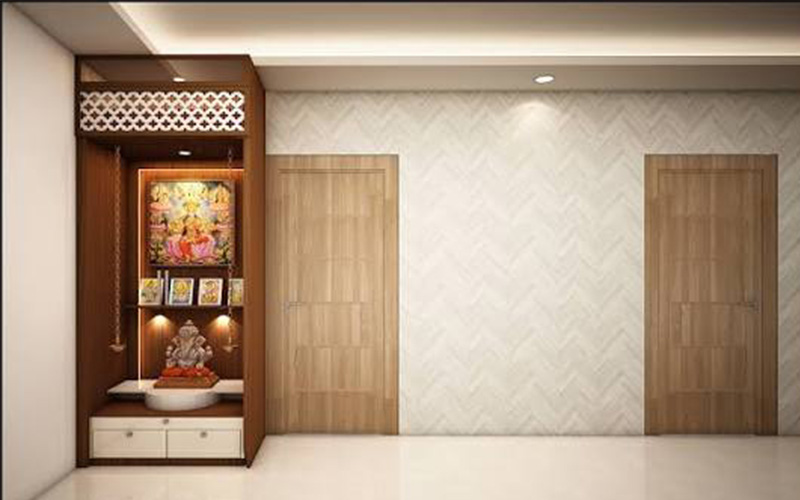
Some basic guidelines include cleanliness, direction towards deities, and providing the area in which you pray/meditate with tranquillity and peace. Even in compact apartments, the direction of mandir in home placement should never be compromised for the sake of saving space.
Wall-mounting pooja cabinets or mandirs is a practical way to save on floor area and keep your mandir or pooja cabinet up off the floor, where it is more auspicious to be located. Be sure to mount your mandir or mandir cabinet on an appropriate wall direction, and not on a wall with a bathroom or on a wall of a heavily-used storage area.
If the best way to place your mandir or pooja cabinet is in the North-East corner of your home, then you can place your mandir on an East or North wall to align with the home temple direction.
Conclusion
To sum up, following the correct mandir direction as per Vastu is essential to creating a harmonious and spiritually balanced home. Whether you are redesigning a single space or undertaking a complete home renovation, integrating Vastu-aligned mandir placement alongside the best interior design helps ensure positive energy flows throughout the house.
Additionally, remember that any slight change (e.g., changing the direction of your Mandir, allowing natural sunlight into the pooja room, and maintaining a clutter-free area in your pooja room are all simple way to create the same energy as the mandir facing one traditionally.
The energy created has the potential to affect all people who could be in that environment, providing a positive energy for both you and those around you. Establishing a pooja room using the principles of Vastu Shastra can pose challenges regarding the size of your area and the amount of space needed to maintain commitment every day through prayer and meditation. Ultimately, identifying the best direction for mandir in home designs ensures lasting harmony for the entire household.
Frequently Asked Questions on Mandir Vastu
Which direction should god face in a home?
Idols and photos of God should face West or South. This ensures that when you offer prayers, your body naturally faces East (the direction of sun, growth, and mental clarity) or North (the direction of prosperity). This specific direction alignment welcomes devotional energy and harmony into your living life.
Where should a mandir be placed / which direction is good?
The absolute best location for a mandir is the North-East corner of your house, known as the Ishanya zone. If that is unavailable due to space constraints, the East and North walls are excellent, auspicious alternatives that attract health, mental peace, and family prosperity.
Can a mandir face south?
No, the mandir should not face South. According to Vastu Shastra, the South is governed by Lord Yama and is considered inauspicious for a temple’s primary direction. Deities must always face West or South so that you face the highly positive energies of the East or North during worship.
Can we keep a mandir in the living room?|
Yes, the living room is an ideal, central location for a mandir. For best results, place it in the room’s North-East corner. Use a small wooden partition or a clean silk curtain to cover the mandir when it is not in use, ensuring its sacred privacy and cleanliness around the mandir place.
How to decorate a mandir at home?
Mandir Decorate using a serene colour palette like cream, white, or light yellow. Use warm LED lighting, place a brass Diya on the person’s right side, and decorate with fresh flowers. Ensure all prayer books and extra matchboxes are neatly tucked away in lower drawers to avoid the confusion.